Mezze, 2026
Lawrence Wilson Art Gallery, University of WA.
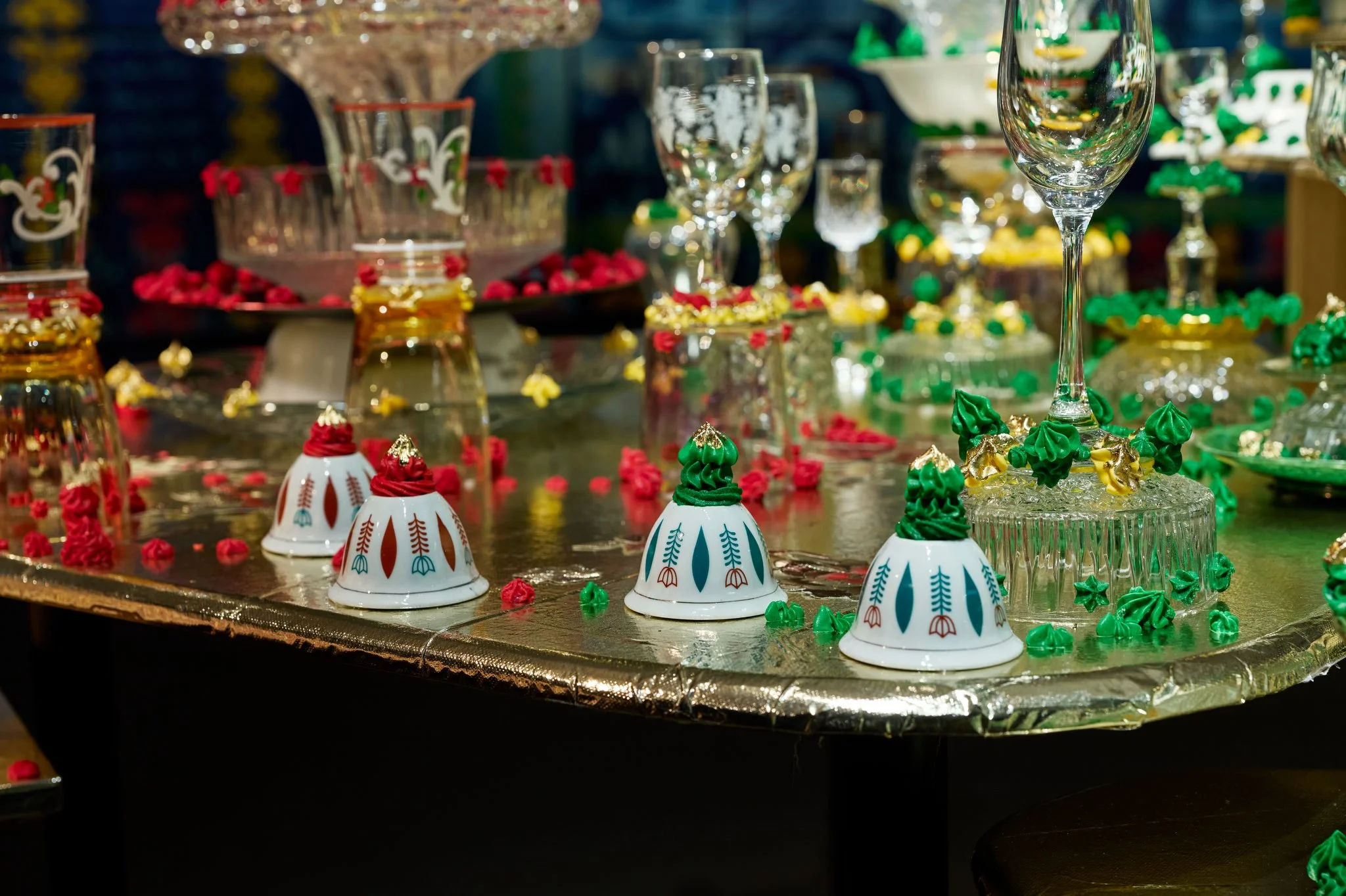
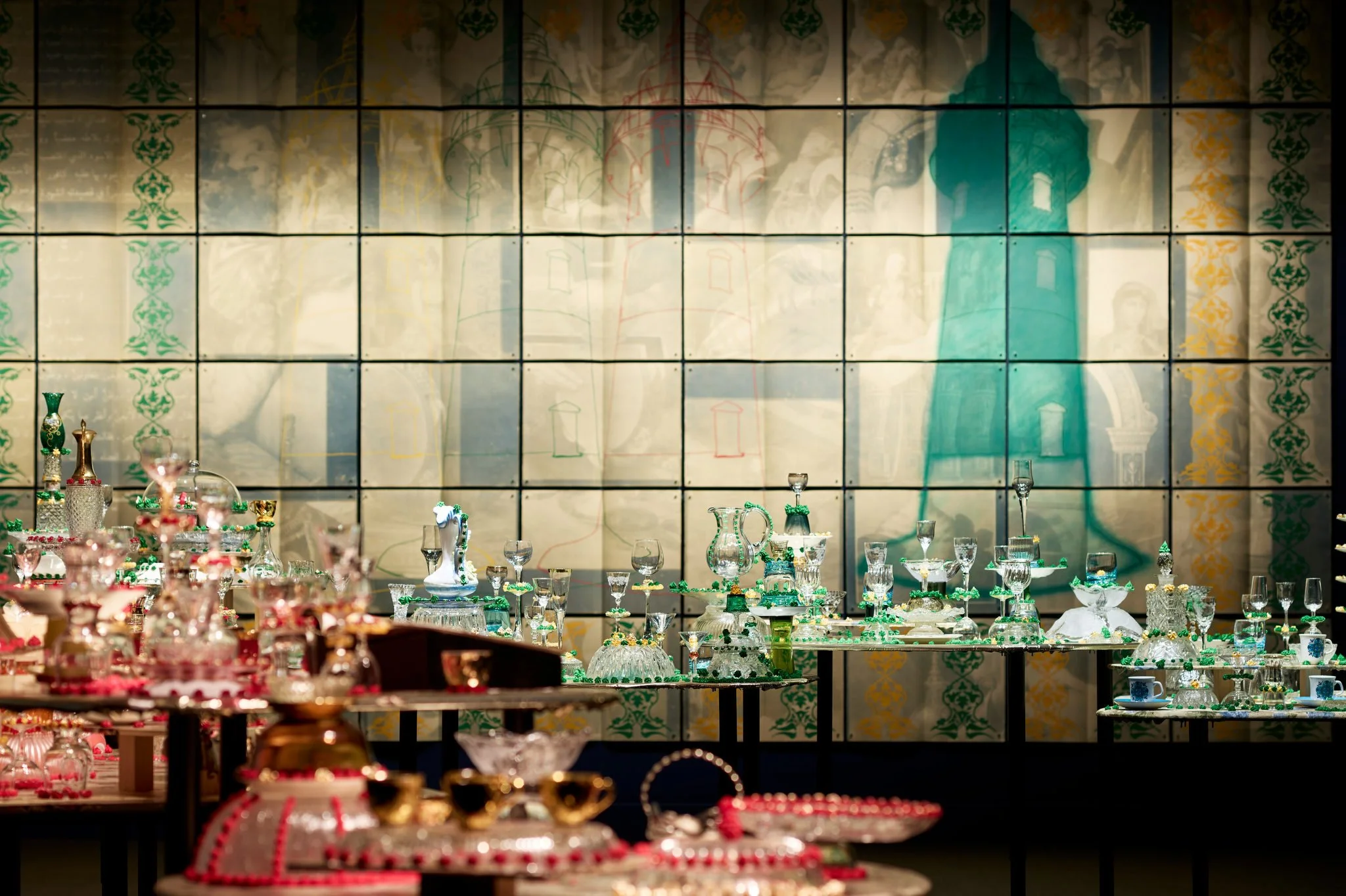
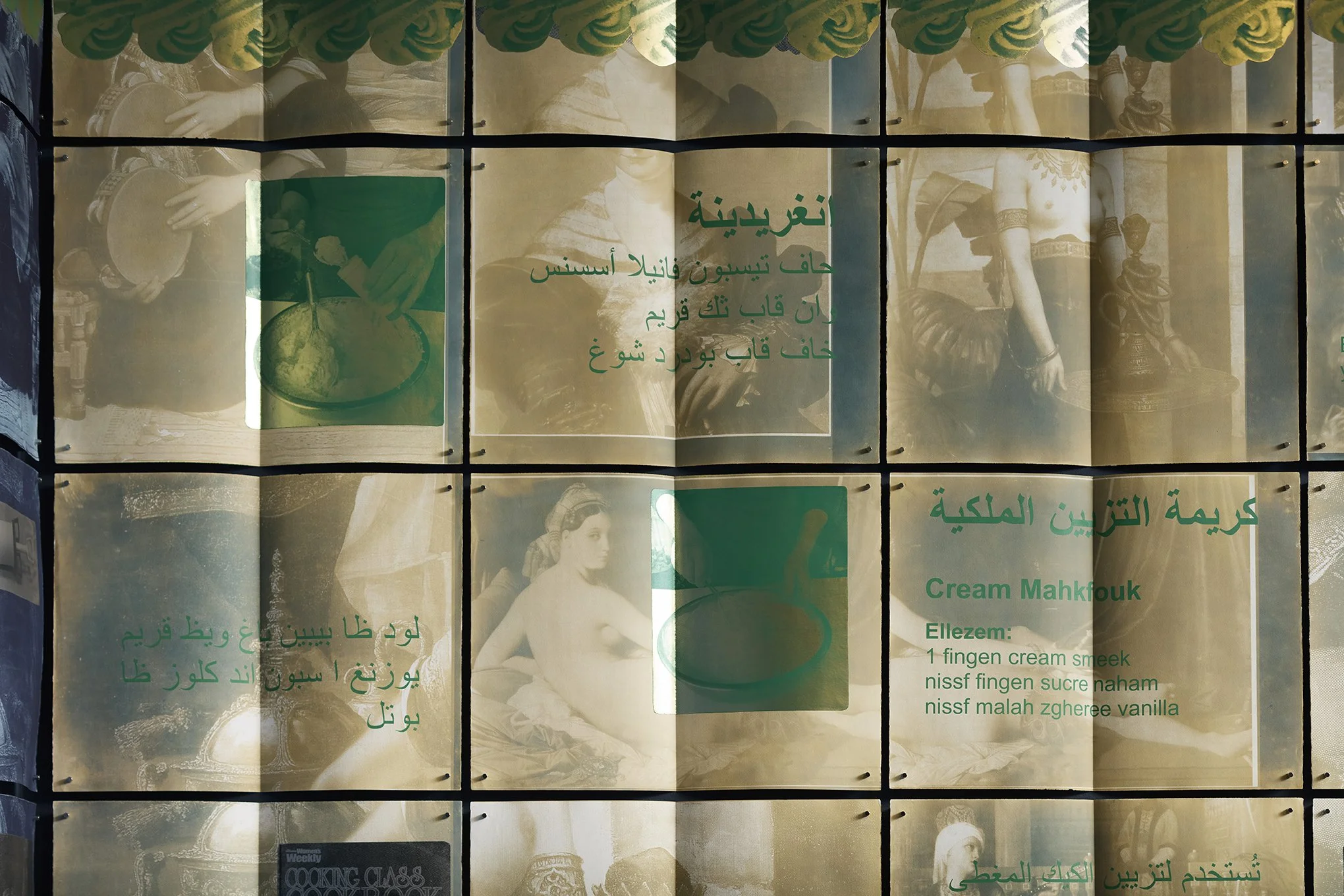
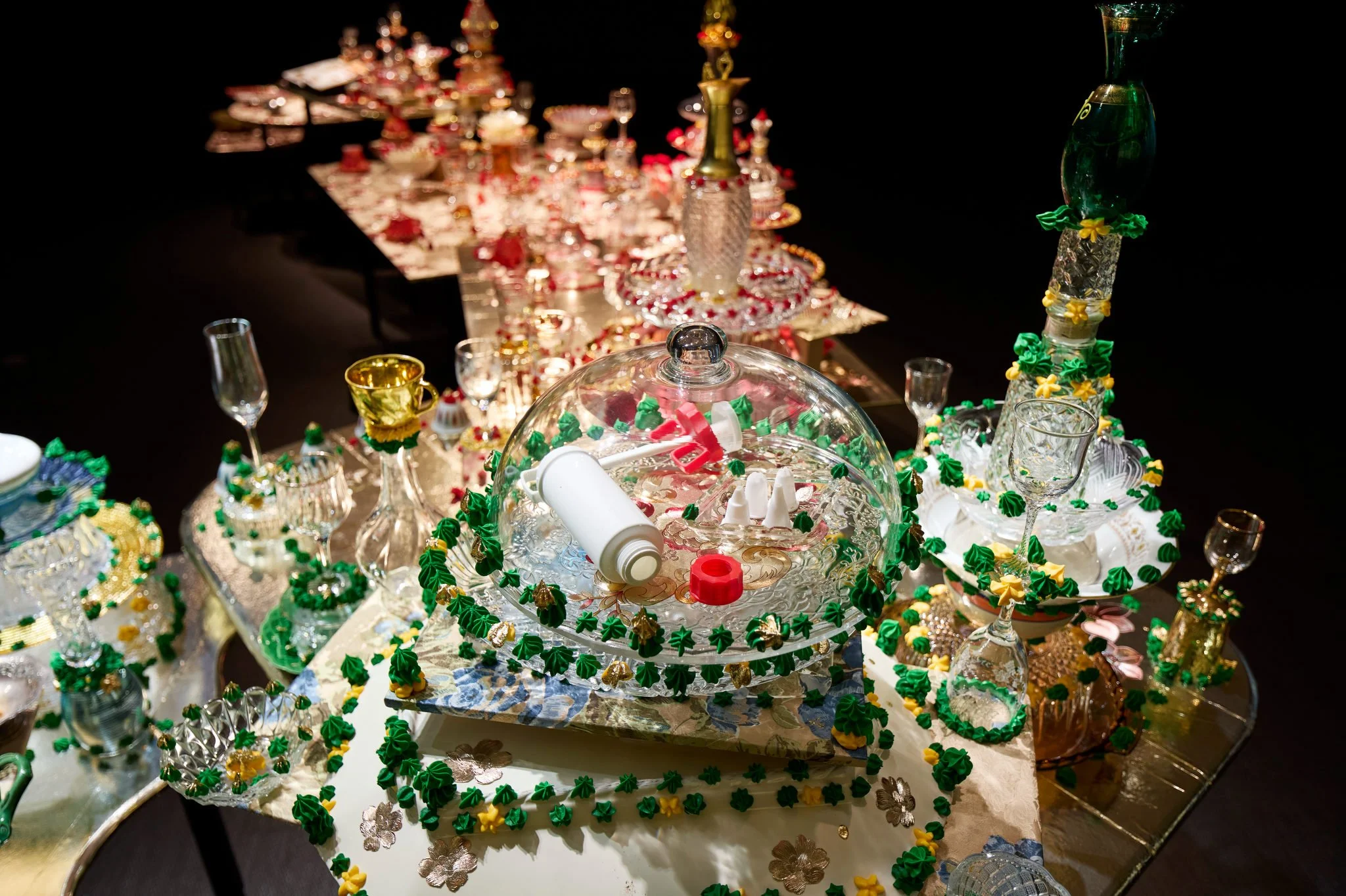
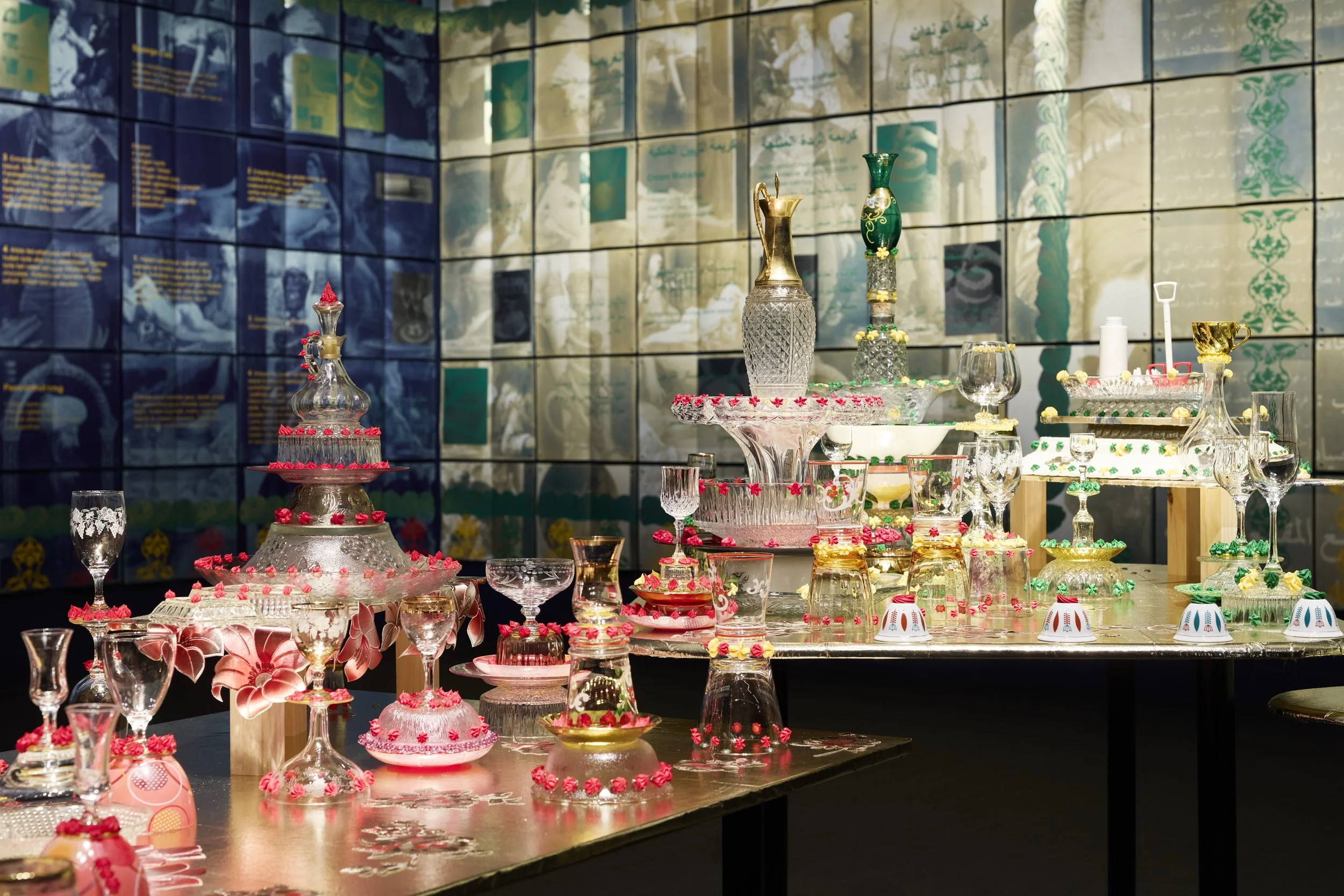
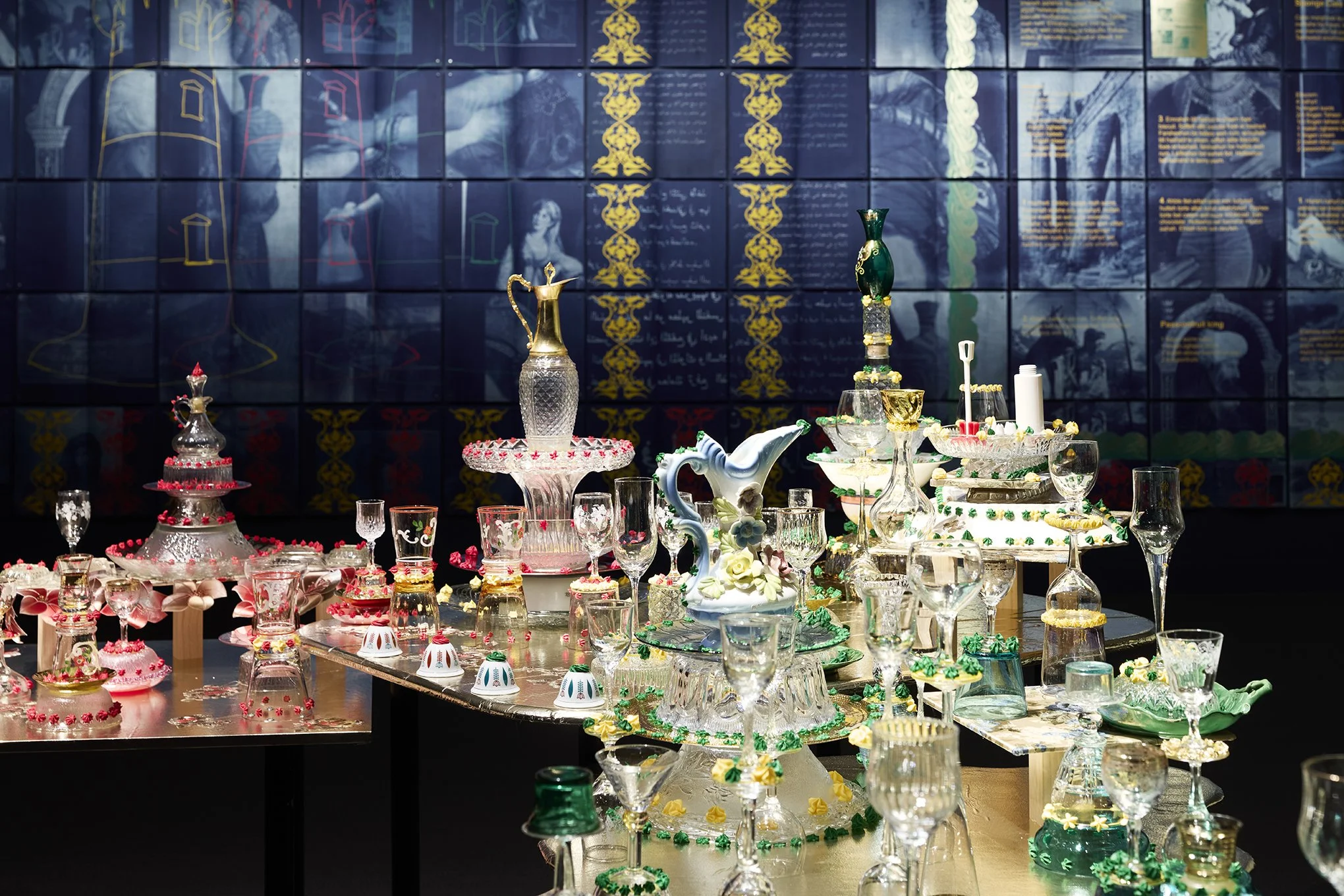
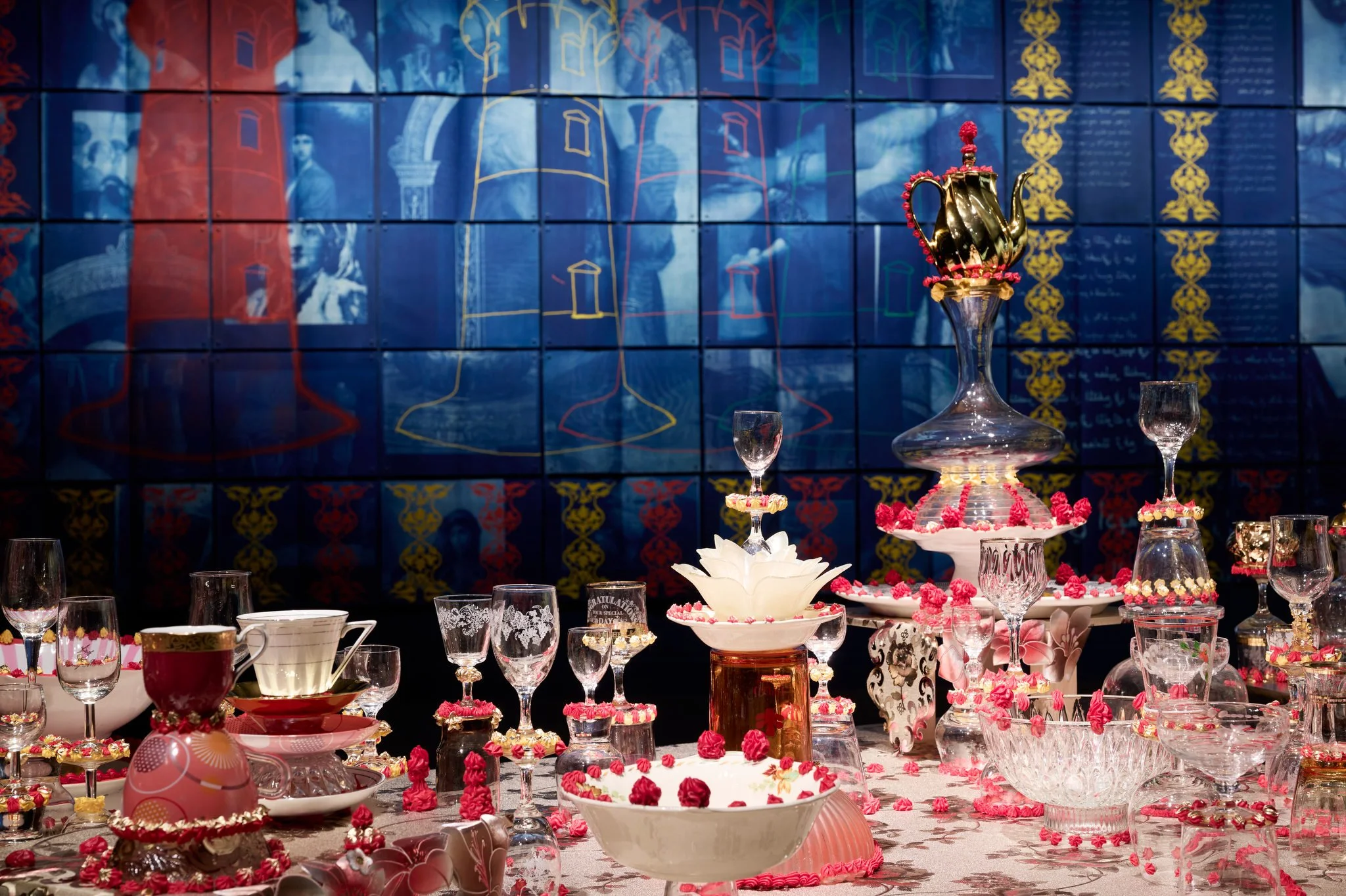
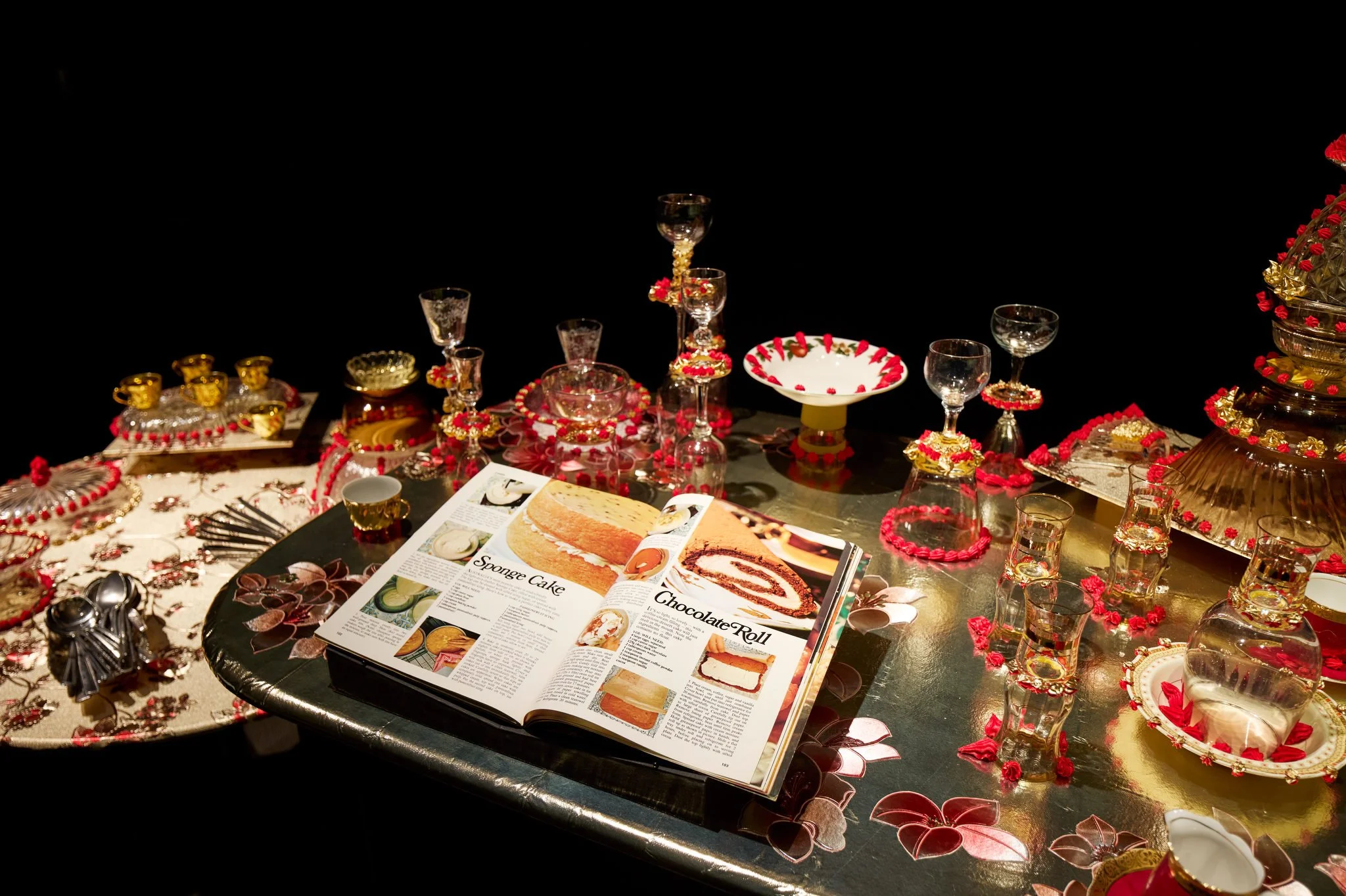
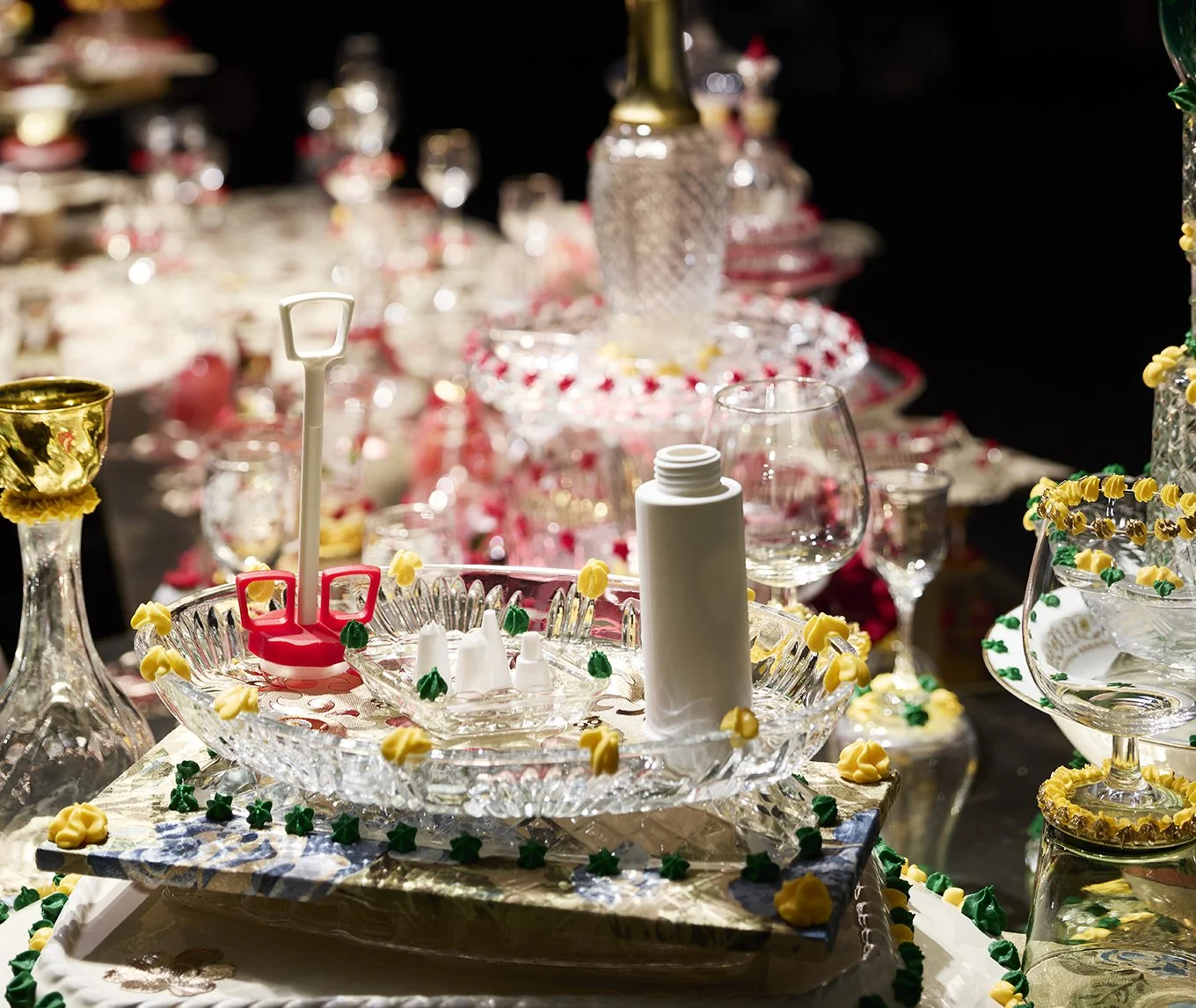
“Like any banquet, MEZZE is an invitation to gather together, to share food, stories and conversation. For Deanna, it is also an invitation to reflect on what it means to be Australian in all its richness and complexity, and to celebrate who we can be as a community when we come together with generosity.”
Bryony Nainby, Curator, The University of Western Australia Art Collection”
Mezze catalogue essay written by Stafano Carboni
For Deanna Hitti, an Australian of Lebanese Christian heritage, her dual upbringing and identity are very central to her artistic practice and modes of expression. She is an extraordinarily skilful printmaker who takes advantage of her mastery of the craft to create multifaceted, layered works and installations that engage the audience and require the viewer’s quiet attention.
Over 20 years ago, Deanna founded the printmaking studio Rambunctious Press in Richmond, Melbourne (not to be confused with the homonymous magazine published in the USA since 2018) where for many years she has produced her own plates and books, she has collaborated with artists, has taught printmaking, bookbinding, and photographic techniques, and has mentored many young printmakers, always maintaining a strong bond with her craft.
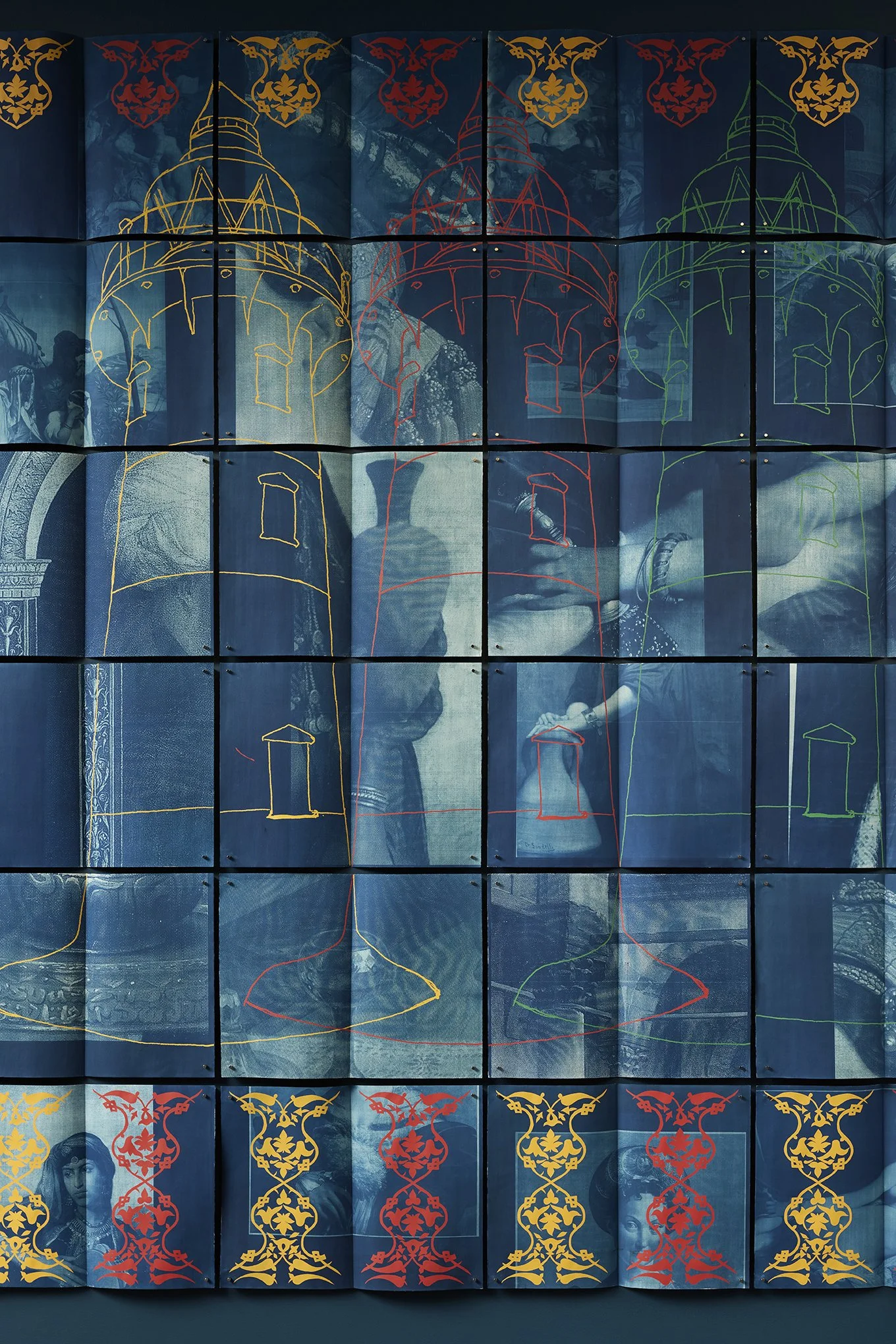
She has favoured two main aspects of her prints over the years: one to create artist’s books, the other to print cyanotypes. The latter are achieved through a mid-19th-century photographic technique that produces distinctive blue monochromatic prints using iron salts, the sun’s UV light, and water by placing objects on sensitized paper, which are then washed to fix the image. In Deanna’s case, the blue hue often washes over photographic reproductions of 19th-century Orientalist paintings, mostly of women, bringing attention to the Western gaze and attitude that were prevalent among European, especially French, painters of the period, presenting a heavily biased understanding and distortion of the culture they depicted. These large monochromatic prints, often arranged next to each other to fill large wall areas that dominate the room, impart a sense of nuanced cultural reclamation, a quiet, almost silent commentary on many aspects of European French colonialism. Deanna lets the viewer interpret these large images and does not openly comment on the traditional views of France seen by Christian minorities as a protector of the so-called Levant – welcoming the establishment of the Grand Liban or Greater Lebanon in 1920 – in contrast to Muslims, particularly Sunnis, who viewed France as a colonizer that forced their separation from a greater Arab nation. This is mainly because her focus is not to be prescriptive but to create an open channel of communication centred around the complexity of the formation of her cultural identity, both as an Australian of Lebanese Christian background and in broader cultural landscapes.
The subtle social and political commentary of Deanna’s large cyanotypes is complemented in her practice by a more intimate, familial, memory-driven energy channelled through the superimposition of Arabic and English texts, through her artist books and, more recently, in the use in her installations of found objects related to cooking and eating. These are childhood memories about growing up in Australia in a Lebanese family with strong bonds to their original country, about learning spoken and written Arabic as her first language and, especially, about her personal relationship with both parents.
Deanna’s exquisitely crafted artist books, produced in a numbered series, reproduce Arabic instructions for writing Latin letters and numerals, which is the way she first learnt English, and which informed her deeply anchored dual identity. In the award-winning book Towla (2018), she writes down the rules of backgammon with the Arabic letters spelling the instructions in English and vice versa. However, this is much more than a translation and transcription exercise because it is transformed into a moving tribute to her late father: they used to play together when she was a child as a way to connect silently, without spoken words, and when later in life they often texted each other, this was in uncertain English on his side and in broken Arabic on hers. The book is therefore also an exercise in memory, contemplation, the power of language, a therapeutic and healing experience, and a very personal work.
Similarly, in K is for Kitab Tabakh (cookbook) (2024) the reference is to the shared knowledge of traditional recipes with her mother, where the interchange of languages in describing the recipes is transformed into a conversation about communal moments, dual identity, memory, and the ebbs and flows between generations. The book includes instructions for decorating cakes with piped royal icing: this idea was brought to life in the exhibition at the Counihan Gallery in the Brunswick Town Hall, Melbourne, in 2024, where Deanna installed a series of items from her family home decorated with royal icing as a performing act, with the aid of volunteers.
Deanna’s new installation at the Lawrence Wilson Art Gallery, entitled Mezze (the small shareable dishes or Mediterranean origin; the word has Persian roots, entered the Ottoman Turkish vocabulary as meze, and the Arabic as mazzāt or “nibbles”, “appetizers”), starts from a similar concept as K is for Kitab Tabakh. However, it develops into a larger, more immersive, more participative scale in which the everyday, food-related objects are contributed by Perth families and the royal icing becomes a communal event through workshops held as part of the exhibition.
The exhibition includes the large cyanotypes set on the wall described above, however the message that holds it up it is perhaps better conveyed by the banquet tables in the centre because these create an ideal congregating space, a place for exchange and dialogue where matters of identity, tradition, heritage and different cultural backgrounds can be discussed. As with most of Deanna’s work, Mezze invites visitors to discuss and reflect on how Australians of dual backgrounds can shape their own experiences. It is also a quiet, introspective, engaging, immersive exercise that requires a stillness of eyes and mind, no rush, and a different frame of mind from our perpetual scrolling on an iPhone to gather as much information as possible in as little time as possible. It is indeed a work to be viewed in no hurry, prompting one’s own memories and recollections to surface and flow in one’s mind.
A final lightweight thought. For those who have a good enough knowledge of both English and Arabic, a unique challenge offered by Deanna’s work through her use of the Arabic alphabet to write English sentences and vice versa can be exhilarating and entertaining, adding a further level of engagement to viewing and understanding her work. I am a fast reader in Italian (my first language); I am a good reader in English (my second language); I am undeniably a slow reader in Arabic (my third language), but reading English in the Arabic alphabet is a mighty challenge! Just as an example, it took me a good five minutes to figure out and read the English sentence “place thick cream, powdered sugar and vanilla essence into a bowl” written in the Arabic alphabet from one of her prints from K is for Kitab Tabakh (cookbook). After initial frustration, I must say I fully enjoyed it!
Therefore, I will conclude, following her lead and inviting you to brush up your Arabic alphabet,